
Loading...
Serving Bay City, MI and surrounding areas. (989) 414-6750
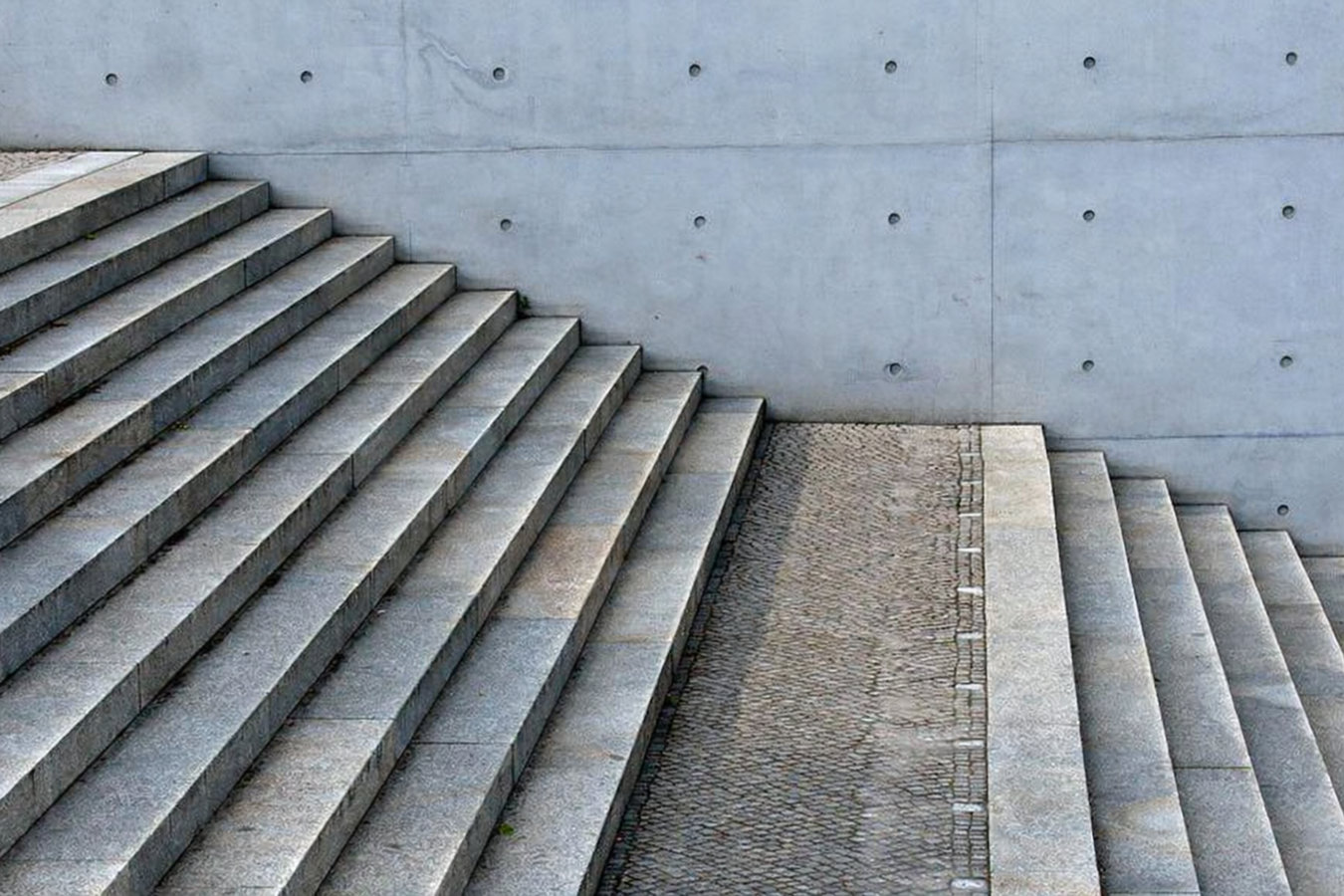
Tilting, crumbling, or cracked front steps are a trip hazard your family uses every day. We build concrete steps in Bay City with the base prep and reinforcement that keep them solid through decades of Michigan winters.
Concrete steps construction in Bay City involves removing old steps, preparing a compacted gravel base, building forms, pouring reinforced concrete, and finishing the surface with a broom texture for grip - most residential projects take one to two days of active work, with about a week before the steps are ready for regular foot traffic.
Bay City has a large stock of older homes - many built before 1960 - and their original concrete steps are often at or past the end of their useful life. Steps from that era were frequently poured thin and without internal reinforcement, making them especially vulnerable to the clay soil movement and freeze-thaw cycles this area delivers every year. If your steps are tilting, crumbling, or cracking through, that is a safety issue worth addressing before the next icy season. If your project also involves changes to the surrounding grade or yard structure, our concrete retaining walls work is often scheduled alongside new steps.
Bay City requires a building permit for new attached steps, and we handle that process for you - you do not need to visit city hall or coordinate the inspection yourself.
If your steps are no longer level when viewed from the side, or if a gap is opening between the steps and your foundation, the ground underneath has shifted. In Bay City, this is often caused by clay soil expanding and contracting through years of wet springs and hard winters. A tilting step is also a trip hazard - this one warrants a call sooner rather than later.
Small hairline surface cracks are common and often manageable, but cracks wide enough to fit a finger into - or corners and edges breaking off entirely - signal the concrete has been compromised. Bay City's repeated freeze-thaw cycles are the most common cause: water gets into a small crack, freezes, expands, and breaks the concrete apart from the inside over several winters.
If the top of your steps looks like it is peeling or has a rough, gravelly texture where it used to be smooth, the surface layer is deteriorating - called spalling. It is typically caused by years of road salt exposure combined with freeze-thaw stress. Spalled steps are slippery when wet and will continue to deteriorate faster once the surface layer is gone.
If your steps shift slightly underfoot, or if tapping on them produces a hollow sound in places, the base underneath may have eroded or the concrete may have separated from its foundation. This is a structural safety issue - not a cosmetic one - and it tends to get worse, not better, over time.
The most common project is a full front entry replacement - removing the old steps, compacting a gravel base underneath, building wooden forms, placing reinforcing steel inside, pouring the concrete, and finishing with a broom texture that gives shoes something to grip in wet or icy conditions. The base preparation is where most of the long-term performance is decided: properly compacted gravel under the steps keeps them from settling, tilting, or cracking as Bay City's clay soil moves through the seasons. For projects that involve level changes between the entry and the driveway, our slab foundation building work can address adjacent grade transitions in the same project scope.
Some homeowners want a more finished appearance on an older home where plain concrete would look out of place. We offer decorative finishes - brushed borders, exposed aggregate accents, or simple color additions - that make new steps look like they belong on the house rather than like a generic replacement. We also handle repairs for steps with minor surface damage, and we will tell you honestly if a repair is the right call or if replacement is the more cost-effective path given what we find underneath.
Full removal of old steps and installation of new poured concrete - the right choice when existing steps are beyond repair or a safety risk.
Suits homeowners with garage access, back door, or basement entry steps that have deteriorated and need a safe, durable replacement.
A good option for older Bay City homes where plain replacement steps would look mismatched against the existing architecture.
For entries where a flat landing area between the house and the steps improves safety and accessibility for all visitors.
Two conditions make Bay City harder on concrete steps than most parts of Michigan. The first is the freeze-thaw cycle - temperatures swing above and below freezing dozens of times each winter, and every cycle pushes water that has soaked into the concrete a little further apart from the inside. The second is the clay-heavy soil that underlies most of Bay City's residential neighborhoods. Clay expands when it absorbs moisture and contracts when it dries, which means the ground under your steps is constantly moving in small ways. Without a properly compacted gravel base, that movement causes even well-poured concrete to crack or tilt within a few years. The American Concrete Institute and the Portland Cement Association both publish guidance on cold-weather concrete construction - standards we follow on every project.
Bay City's older residential neighborhoods - particularly the blocks near the Saginaw River and the historic west side streets - are full of pre-1960s homes whose original steps were poured thinner and with less reinforcement than current standards call for. If your home falls into that category, there is a real chance your steps are overdue for evaluation even if they still look passable on the surface. We serve homeowners throughout the region including Essexville and Auburn - both communities share Bay City's clay soil and seasonal conditions.
Describe what you have and what you need. We reply within one business day to schedule a free on-site visit - usually 20 to 30 minutes - where we measure, look at the existing steps, and give you an honest assessment of repair versus replacement.
For new attached steps, we apply for the City of Bay City building permit before any crew arrives. This typically adds a few days to a week before the project starts. We handle all the paperwork - you do not have to coordinate with city hall.
The crew removes the old steps, compacts a gravel base, builds forms, places any reinforcing steel, and pours the concrete in one day. The surface is finished with a broom texture while the concrete is still soft. Most residential pours are complete in a few hours.
Stay off the steps for 24 to 48 hours after the pour and avoid heavy loads for about a week. We coordinate the city inspection - once it passes, the project is on record. We also advise you on de-icing products to avoid on new concrete through the first winter.
Free on-site estimate, honest repair-vs-replacement advice, permit handled for you. No obligation.
The compacted gravel base under your steps is what keeps them from tilting and cracking as Bay City's clay soil moves. It is not visible once the concrete is poured, which is why some contractors rush it. We do not - it is where the long-term performance is decided.
We place rebar or wire mesh inside every step pour. Internal reinforcement holds the concrete together if a crack develops, so a small crack does not become a broken chunk. In Bay City's freeze-thaw climate, this is the difference between steps that last 30 years and steps that deteriorate in five.
We apply for the City of Bay City permit before any work starts and coordinate the inspector visit before closing the project. You end up with documentation proving the work was done correctly - which matters if you sell the home or need it for an insurance claim.
We tell you which option actually makes sense for your steps based on what we find during the site visit. If a repair will genuinely last, we say so. If the base or structure is the problem and a repair will fail in two winters, we explain that too - and let you decide with the full picture.
Steps that hold up through Bay City winters are built that way from the ground up - not by chance and not by using a thicker surface patch. The base, the reinforcement, and the curing all matter, and we give each step the attention it needs before the concrete truck arrives.
When new steps are part of a broader foundation or grade-level project, slab foundation work can be coordinated in the same scope.
Learn MoreSteps paired with a retaining wall to manage a sloped entry or yard - common in Bay City's older neighborhoods with uneven lots.
Learn MoreMichigan's concrete season is shorter than most homeowners expect - call now to get on the schedule while the weather still allows a proper pour and cure.