
Loading...
Serving Bay City, MI and surrounding areas. (989) 414-6750
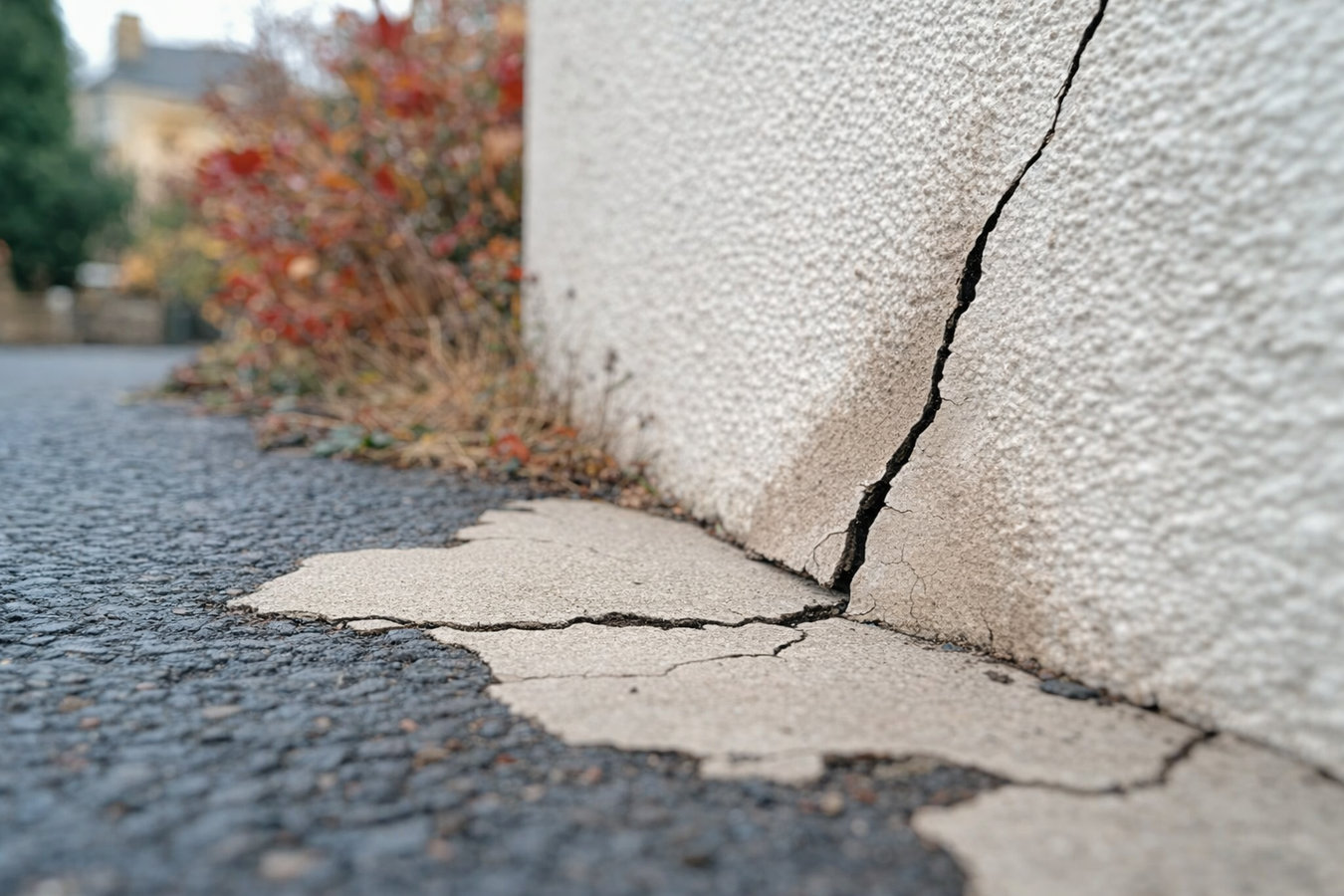
A sinking foundation or sunken slab gets worse with every freeze-thaw winter. We lift it back to level, fix what caused it to sink, and make sure the repair holds.
Foundation raising in Bay City is the process of lifting a sunken foundation or concrete slab back to its original position using mudjacking or expanding foam injection, with most residential jobs completed in one to two days and no need to leave your home during the work.
Bay City homeowners deal with settling more than most. The clay-heavy soils near the Saginaw Bay shoreline absorb water and shift with temperature, and decades of freeze-thaw cycles push foundations out of position slowly but consistently. If your floors feel uneven, your doors no longer latch right, or you see cracks forming around windows and doorframes, the foundation may have moved. The good news is that in many cases, lifting it back is far less disruptive and expensive than replacing it. If you also need the foundation structure itself built or repaired, our slab foundation building service handles that side of the work.
The first step is figuring out what caused the movement, not just lifting the slab and calling it done. A repair that ignores the cause - poor drainage, soil erosion, tree roots - is likely to fail again within a few years. We assess the root cause before recommending a fix so the work we do is built to hold.
If interior doors that used to swing freely now drag on the floor or refuse to latch, the frame around them has likely shifted. The same goes for windows that have become hard to open or close. In Bay City homes, this symptom often appears in late spring after the ground has moved through another freeze-thaw cycle. It is easy to dismiss as seasonal swelling, but when it does not correct itself by summer, the cause is usually foundation movement.
Cracks that run diagonally from the corners of windows or doors, or horizontal cracks along a basement wall, are worth taking seriously. In Bay City's clay-heavy soil, these cracks often develop gradually as the ground beneath shifts with moisture and temperature changes. A crack that was hairline last year and is now wider than a pencil tip is a signal to call someone before the next winter makes it worse.
Walk slowly through your basement or ground floor and pay attention to whether the floor feels level. A noticeable slope - even one you only notice when something round rolls across the floor - can indicate that part of the foundation has dropped. This is especially common in Bay City homes built on filled or low-lying land near the Saginaw River.
If water collects against your home's foundation wall after a heavy rain rather than draining away, that water is working its way into the soil underneath. Over time, saturated soil loses its ability to support the weight above it. Given Bay City's high water table and drainage challenges, this is one of the earliest warning signs homeowners can catch before serious settling begins.
We use two main approaches to raise settled concrete, and the right one depends on your specific situation. Mudjacking pumps a cement-based slurry under the slab to push it back up - it is a proven method and is often the more affordable choice. Foam lifting injects an expanding polyurethane foam that hardens quickly, lifts precisely, and leaves smaller drill holes. Foam cures in about 15 minutes, so you can walk on or drive over the surface the same day. Both methods address the same problem; which one fits your home depends on soil conditions, the weight of the slab, and how much movement has occurred. We explain both options clearly and recommend what we believe is the better fit, not just the higher-margin option.
For situations where the concrete has settled beyond what lifting can correct - or where the foundation itself needs to be rebuilt from the ground up - our slab foundation building service handles full replacement and new construction. When a project also involves cutting through existing concrete - to add drainage, access crawl space areas, or remove damaged sections - our concrete cutting work runs alongside the raising project. We handle all the work under one contract so you are not coordinating multiple crews.
Best for larger slabs where cost is the primary concern and the soil conditions support the material - a time-tested approach used throughout the Bay City area.
Ideal when a fast return to service matters, when the slab is near water lines, or when precision lifting is needed - cures in about 15 minutes.
For foundations that have moved significantly and need steel pier support driven to stable ground well below the frost line.
Addresses the underlying cause of settling so the lifted surface stays in position through future Michigan winters.
Bay City sits in a climate zone where the ground freezes and thaws repeatedly every winter and spring. That repeated movement pushes and pulls at foundations and concrete slabs year after year, which is one of the most common reasons Bay City homes experience settling. Much of the city is also built on low-lying land with clay-rich soils that expand when wet and shrink when dry - conditions that put constant stress on anything embedded in the ground. Homes close to the Saginaw River or the bay sit on soils with especially high moisture content, and those properties tend to see settling more frequently than homes on higher, drier ground. Homeowners in Essexville and the neighborhoods near the river delta share the same soil conditions and face the same settling risks.
Bay City also has a large share of homes built between the early 1900s and the 1960s. Older foundations were poured with different concrete mixes and to depth standards that did not anticipate decades of modern freeze-thaw stress. These homes are more likely to have developed voids beneath the slab over time, and what looks like a simple surface issue can sometimes involve deeper settling in homes of this age. Homeowners in Auburn and surrounding communities in Bay County also call us when their foundations shift, because the same soil and climate conditions extend across the whole region. Timing repairs for late spring - after the ground has fully thawed and stabilized - gives the lifted foundation the best chance of staying put through the following winter. The International Association of Certified Home Inspectors outlines what properly documented foundation repairs should include - useful reading before you hire anyone.
When you call, we ask a few basic questions - what you are noticing, how long it has been happening, and whether there is visible cracking. We aim to respond to all inquiries within one business day. This is not a sales call; it is enough information to send the right person to your home.
We walk the affected area with you, look at the foundation from the outside, and check the interior for signs of movement. We explain what we are looking at and why, then provide a written, itemized estimate before any work is scheduled. If the job requires a city permit - which structural foundation work in Bay City often does - we include that in the plan.
Before the crew arrives, you will need to clear the work area of vehicles, outdoor furniture, and anything stored along the foundation. We give you a specific list so there are no surprises. For garage floor or interior slab work, move items out of the way so the crew has full access.
The crew drills small holes, injects the lifting material, and monitors the rise carefully to bring the surface back to level. Most residential jobs finish in a single day. Once done, holes are patched and the area is cleaned up. We walk you through what was done, what to watch for, and hand you the warranty in writing before we leave.
Free written estimate. No obligation. We respond within one business day.
Lifting a slab without addressing what caused it to sink is a temporary fix. We assess drainage, soil conditions, and the root cause of movement before we start - so the work holds through Michigan winters, not just until next spring.
You should have the warranty in hand before the crew drives away - not promised in a follow-up email. We provide a written warranty on every foundation raising job so you know exactly what is covered and for how long.
Bay City requires permits for structural foundation work. We handle the permit application and city inspection coordination, so your repair is properly documented. That documentation matters when a buyer's inspector or lender reviews your home's history.
You receive a written, itemized estimate before any work begins. If something unexpected comes up during the job, we stop and talk to you before proceeding. The final invoice matches the estimate - no line items added after the fact.
Bay City's freeze-thaw winters and clay-heavy soils make foundation settling one of the most common calls we get. That experience means we know what causes it here, which methods hold up in this specific climate, and how to get the work permitted and inspected without slowing your project down.
Precise cuts through existing slabs and foundation walls to add drainage, access utilities, or remove damaged sections alongside raising work.
Learn MoreFull slab pours for homes and structures where the existing foundation is beyond repair and needs to be replaced from the ground up.
Learn MoreEvery winter in Bay City makes a settling foundation worse. Call us now for a free written estimate and get it fixed before the next freeze.